
Why You Shouldn't Clean Up a Sewer Backup Yourself | JG

A homeowner recently called us after a sewer backup left roughly four inches of sewage water throughout their basement.
Like most people, their first concern was the mess.
Their second concern was the smell.
What should have been their first concern was their health.
The homeowner was told they had very limited insurance coverage, and that because the backup may have involved a municipal sewer issue, there was little they could do about it. Believing they were largely on their own, they started cleaning up the sewage themselves.
That decision could have made a bad situation much worse.
Sewage Is Not Just Dirty Water
Most people think sewage is just dirty water mixed with human waste. It isn't.
Municipal sewage can contain bacteria, viruses, parasites, chemicals, medications, cleaning products, sharp objects, and contaminants from hundreds or even thousands of homes. The reason the restoration industry treats sewage as Category 3 water, the highest contamination classification under industry standards, is because nobody knows exactly what is in it at the time of the loss.
What we do know is that it can contain dangerous contaminants.
Bacteria You Don't Want in Your Home
Sewage may contain:
- E. coli, Salmonella, Shigella, Campylobacter, and Enterococcus, bacteria capable of causing severe gastrointestinal illness
- Antibiotic-resistant strains including MRSA and other organisms that can be difficult to treat once they take hold
- A range of other microbes that have been documented in municipal wastewater systems
Viruses That Survive Drying
Norovirus, often called the "cruise ship virus," is notorious for causing explosive vomiting and severe gastrointestinal illness. It spreads easily and requires only a tiny number of viral particles to infect someone.
Human sewage can also carry rotavirus, adenoviruses, enteroviruses, and hepatitis A. Many of these pathogens can remain infectious even after the water appears to have dried, which is exactly why a "looks dry, must be fine" assumption is so dangerous.
Physical and Chemical Hazards
Then there are the things nobody thinks about:
- Broken glass
- Needles
- Razor blades
- Metal fragments
- Household chemicals
- Automotive fluids
- Prescription medications
- Drain cleaners
All of these things can be carried through a municipal sewer system and deposited into a home during a backup.
The Danger Doesn't Disappear When the Water Does
Even after the visible sewage is removed, the danger does not necessarily disappear.
Contaminants can remain in drywall, insulation, flooring, carpet, cabinets, framing, HVAC systems, and dust. Dried sewage residue can become airborne when disturbed.
People often assume that if a room "looks dry," it is safe. Unfortunately, microbes and contamination do not always care what something looks like.
This is exactly why a proper Category 3 water damage restoration looks far more invasive than homeowners expect, and why what happens in the first few days often determines whether mold remediation becomes a second loss on top of the first.
Why Professional Sewage Remediation Looks "Excessive"
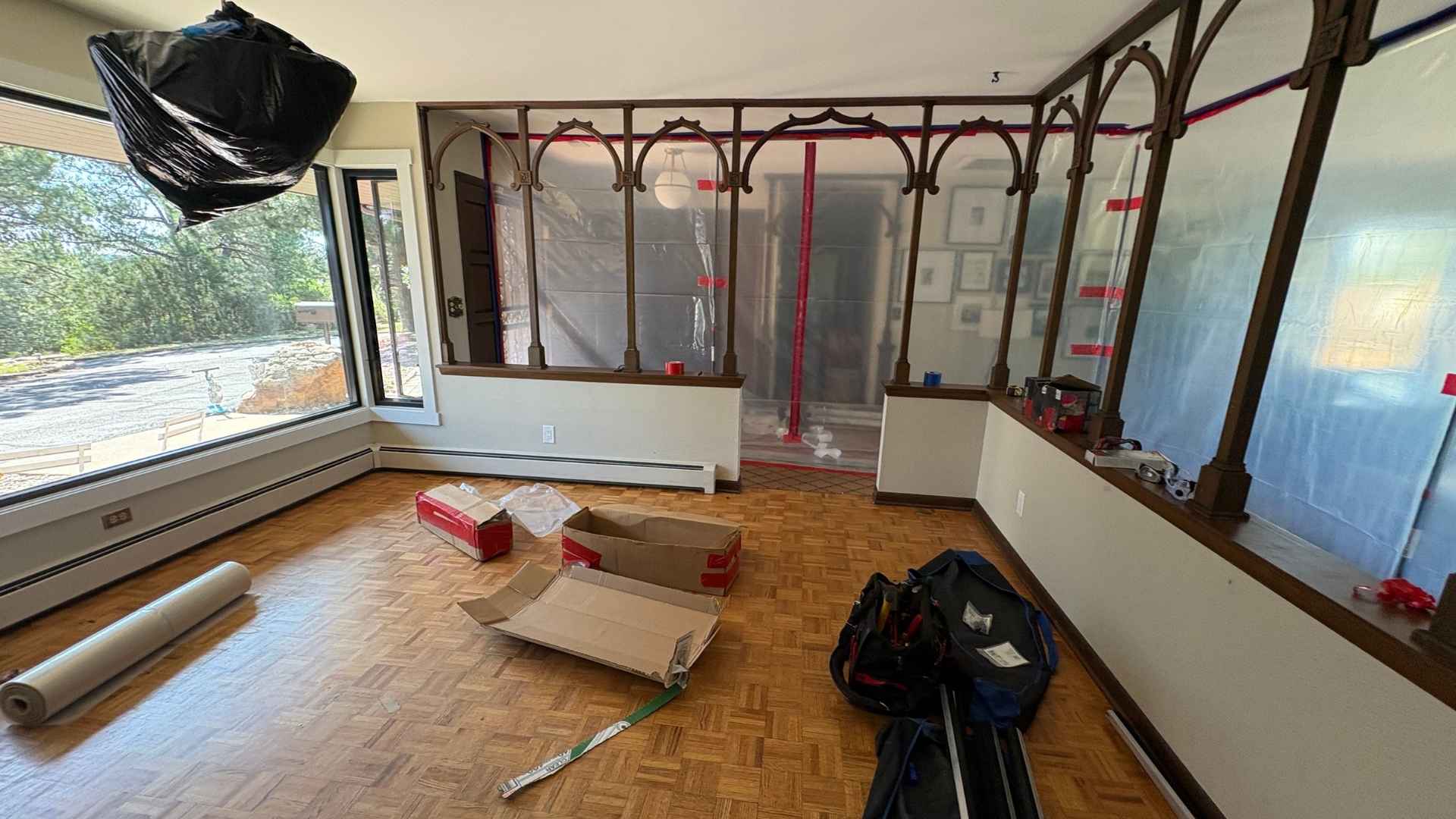
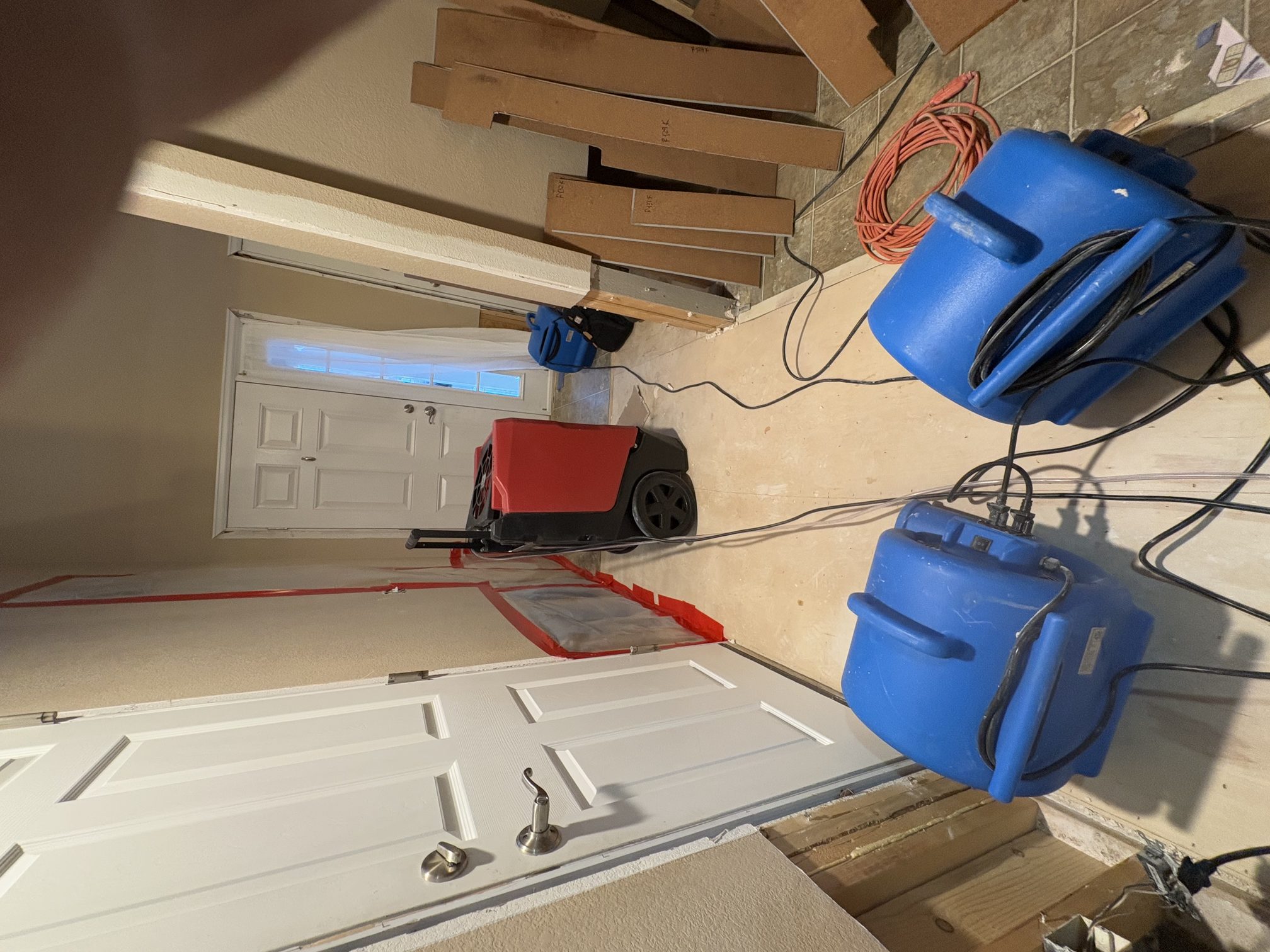
When sewage enters a structure, the affected materials usually need to come out rather than be wiped down:
- Affected drywall may need to be removed
- Flooring may need to be removed
- Insulation may need to be removed
- Contents may need to be cleaned, disinfected, or discarded
- Air scrubbers, containment systems, personal protective equipment, specialized cleaning agents, and drying equipment are routinely required
Many homeowners ask us the same question:
"Do we really need to do all of that?"
The answer is usually simple.
If there were a cheaper, easier, less disruptive way to safely restore a sewage loss, insurance companies would be demanding it.
Insurance Companies Pay for This for a Reason
Insurance companies are not known for spending money unnecessarily. Yet when a sewage backup is properly covered, carriers routinely pay for extensive remediation because they understand the risks associated with Category 3 contamination.
In many cases they will approve tens of thousands of dollars in remediation, cleaning, reconstruction, contents restoration, and environmental controls.
That should tell you something.
Talk to a Pro Before You Talk to Insurance
The problem is that many homeowners begin talking to insurance companies before they understand their coverage, before they understand the remediation process, and before they have spoken with a qualified restoration professional.
That can create problems.
A sewer backup is one of the most expensive, disruptive, and technically complicated losses a homeowner can experience. The way a claim is reported, documented, and investigated can significantly affect the outcome. We unpack why in Why You Should Never Handle Your Insurance Claim Alone and on our insurance claim help page.
Homeowners often assume the insurance company is guiding them through the process. Sometimes that happens. Sometimes it doesn't.
What's Happening Around the Country
Recent reporting and regulatory actions have highlighted allegations involving delayed claims, underpayments, claim handling violations, and disputes over coverage decisions involving major insurers:
- California: State regulators recently alleged that a review of 220 wildfire claims identified nearly 400 violations of state insurance law, and have pursued enforcement actions against State Farm. The company strongly disputes the allegations.
- Oklahoma: Hundreds of lawsuits have been filed involving disputed claims practices, which State Farm also denies.
The point is not that every insurance company is wrong.
The point is that nobody cares more about your property, your health, or your family's safety than you do.
What to Do If Sewage Enters Your Home
If sewage enters your home, do not assume it is harmless.
Do not assume you have all the information.
Do not assume the first answer you receive is the complete answer.
- Stop, don't start cleaning. No matter what you've been told about coverage.
- Call a qualified restoration professional who works with Category 3 losses.
- Get a copy of your insurance policy and read it before you talk to anyone else.
- Document everything with photos and notes from the moment you discover the loss.
- Ask questions and understand your options before agreeing to any scope of work.
Start by talking to professionals who understand sewage contamination, restoration standards, documentation requirements, and insurance claims. Ask questions. Understand your options.
Most importantly, take sewage seriously.
Bottom Line
Four inches of sewage in a basement is not just a cleanup problem.
It's a health and safety problem.
Need Help With a Sewer Backup in Colorado Springs?
If you have standing sewage in your home, time matters and so does experience. JG Construction and Restoration handles sewage and Category 3 losses across Colorado Springs and our wider service areas, with the documentation and claim support to back up the work.
Emergency? Call now: (719) 619-9753 for immediate response. For policy questions or claim help before things escalate, schedule a free consultation and we'll walk you through your options.